
Siri 2.0: What Apple’s AI Siri Chatbot Means for Users
If you’ve ever felt that Siri didn’t keep up with modern AI tools, you’re not alone. For years, Siri has been reliable for simple voice commands, but its conversational abilities lagged far behind newer AI assistants.
Thank you for reading this post, don't forget to subscribe!Apple is changing that with Apple Intelligence, a suite of artificial intelligence enhancements that, in 2026, is redefining Siri as a true AI Siri chatbot and voice AI assistant chatbot. Instead of simple replies, Siri is evolving toward natural dialogue, context understanding, and deeper action across your device.
In this post, we’ll walk through what the new Siri will do, how it works now in 2026, practical use cases, insights from industry reports, and answers to key questions about this major shift.
Learn how Apple’s approach compares with cloud-first AI systems in our detailed breakdown of the Azure model context.
What is the New AI Siri Chatbot?
Apple plans to transform Siri into its first all‑in‑one generative AI Siri chatbot by deeply embedding it into the core of iPhone, iPad, and Mac operating systems. This revamp goes beyond the classic voice assistant model to introduce a system where Siri feels more conversational and capable. Reuters – Apple revamp Siri story.
Rather than offering isolated voice commands, Siri will support rich interactions that blend voice and text, use generative responses, and pull in context from apps and personal data when permitted. Experts say this upgrade is a key part of Apple’s effort to catch up with competitors like OpenAI’s ChatGPT and Google’s Gemini.
Apple has already begun unveiling many of the underlying technologies on its official site for Apple Intelligence, where you can explore how AI features like intelligent writing tools, visual intelligence, and personal context shaping work on devices today: Apple Intelligence official page.
What’s New in 2026?
Here are the biggest changes users can expect:
- Conversational dialogue: Siri will handle back‑and‑forth conversations instead of one‑off commands.
- Voice and text input: You’ll be able to type or speak naturally, whichever you prefer.
- Deeper system integration: The assistant can act on information across your device — like emails or calendars — to deliver answers tailored to your context.
- Action execution: Siri will go beyond answers and complete tasks directly inside apps. (Apple Intelligence official page)
These enhancements represent a shift from traditional voice assistants to a true voice AI assistant chatbot.
Why This Matters for Regular Users
The revamped Siri, powered by Apple Intelligence, isn’t just about novelty. It’s designed to make everyday interactions with your device easier and more natural. Here’s what that means:
Real World Use Cases
- Context‑aware replies: Ask Siri to summarize your latest unread email threads without opening Mail.
- Drafting and editing: Have Siri write or rewrite text like messages, drafts, or replies.
- Cross‑app actions: Tell Siri to find photos based on a description and share them without switching apps.
- Personal data insights: Ask for details stored in your messages or calendar and get a summarized response. (Apple Intelligence official page)
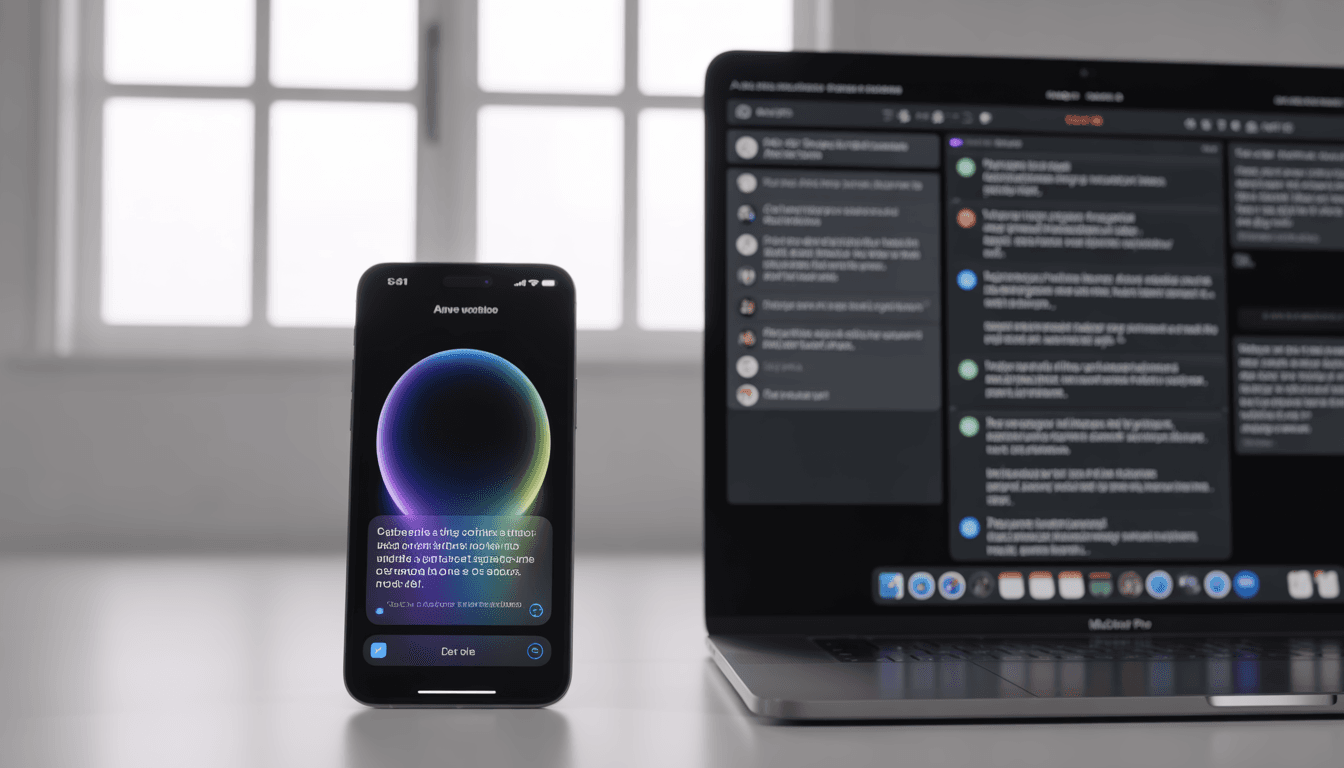
These capabilities follow the evolution of built‑in AI features that Apple began rolling out with its first Apple Intelligence updates. Over time, Siri has gained the ability to understand onscreen content and take action with it — for example, adding an address from a message directly to your contacts. (Apple Intelligence official page)
For additional industry context on how generative AI is reshaping assistants like Siri, see the broader artificial intelligence coverage on Reuters.
Key Features of the AI Siri Chatbot
The following features stand out as Siri evolves into a next generation assistant:

Natural Conversations That Understand You
Unlike classic Siri, which responds best to short instructions, the new AI Siri chatbot will support natural questions and follow ups. You won’t have to repeat context or reword prompts endlessly — the system is designed to keep track of conversational state.
System Wide Context
With Apple Intelligence, Siri gains what’s called “onscreen awareness.” It can see what’s on your display and act on contextual details. For example, if someone texted you an address, you could ask Siri to save it to the contact card without manually copying and pasting.
Voice and Text Modes
Not every situation calls for voice interaction. Siri’s support for text input means you can type requests when speaking isn’t convenient — without losing any of the assistant’s advanced understanding.
Action Driven Responses
Instead of just answering “What’s my next appointment?” Siri can go further: cancel or reschedule events, set up reminders, or pull related information from emails, all through conversational prompts.
How to Get the Most Out of the New Siri
Apple’s AI upgrades are rolling out across 2026, and you can already start leveraging many of them today.
- Keep your device updated: Make sure you’re on the latest iOS release to receive routine Siri improvements and expanded Apple Intelligence (Apple Intelligence official page)
- Speak or type naturally: Ask full, conversational questions rather than short keyword commands.
- Explore cross‑app tasks: Try prompts that require Siri to act on content inside multiple apps — that’s where the new capabilities shine.
Some features — especially deep context awareness and full chatbot dialogue — have been delayed or are in phased release as Apple continues to refine the experience.
Summary Table
Feature | Classic Siri | AI Siri Chatbot |
Conversation Style | Single command | Natural dialogue |
Input Modes | Voice only | Voice + Text |
Actions | Basic tasks | Cross‑app automation |
Context Awareness | Limited | Deeply contextual |
Personal Data Use | Minimal | On‑device insights |
Integration | Standalone | System‑wide |
Our Practical Analysis
Although Siri’s transformation has been anticipated for a while, the more advanced AI features have taken longer to mature. In mid‑2025, Apple confirmed that some context‑aware enhancements would not ship until 2026, underscoring the complexity of blending generative AI with strong privacy controls.
Today, you can see early signs of this evolution through Apple Intelligence. Siri increasingly understands the content of your screen and can take action based on contextual cues. It’s not just about responding to commands — it’s about completing meaningful multi‑step tasks.
From a user perspective, this marks a shift in how we expect digital tools to assist us. No longer do we manually open apps to get information or actions done. We can prompt Siri conversationally, and it acts on our behalf — much like a human assistant.
This trend reflects broader changes in technology. AI assistants are moving past scripted interactions toward flexible, generative experiences. Apple’s transition aligns with this shift, even as the company refines the balance between powerful AI and strong privacy protections.
Frequently Asked Questions
How is the AI Siri chatbot different from classic Siri?
The AI Siri chatbot supports conversational dialogue, deeper context understanding, and action execution across apps, rather than only simple voice commands.
Will I still use “Hey Siri”?
Yes. Voice activation remains familiar, and you can also type queries when you prefer.
Is this a separate app?
No. Siri’s new capabilities are built into the existing system and enhanced through Apple Intelligence.
Is my data safe?
Apple’s approach combines on‑device processing with optional cloud support, giving users control over what’s accessed.
When will this rollout complete?
Advanced features are rolling out in stages through 2026 as part of regular OS updates.
Conclusion
Apple’s ongoing evolution of Siri into a full AI Siri chatbot, powered by Apple Intelligence, reflects a shift in how we interact with smart assistants. What once responded with simple scripted replies can now hold nuanced conversations, take actions across apps, and tap into the context of your device content.
For users in 2026 and beyond, this means a more intuitive, capable voice AI assistant chatbot experience — one that meets you where you are and helps you get things done without switching tools or apps.
Apple’s blend of deep system integration, conversational AI, and strong privacy protections shows how modern AI assistants are meant to work: privately, intelligently, and conversationally.